Briefing 01
Yngvi and the Eastern Origins of the North
What Medieval Scandinavian Genealogies Actually Say.
DOWNLOAD PDFWodensMan · public headquarters
History left clues. We’re following them.
For more than a thousand years, Odin has been treated as myth. But scattered across inscriptions, royal genealogies, migration stories, archaeology, ancient DNA, and medieval chronicles is another possibility: that somewhere behind the god was a historical figure — or a historical memory that became one.
WodensMan is the investigation.
THE INVESTIGATION BEGINS WITH THE BOOK
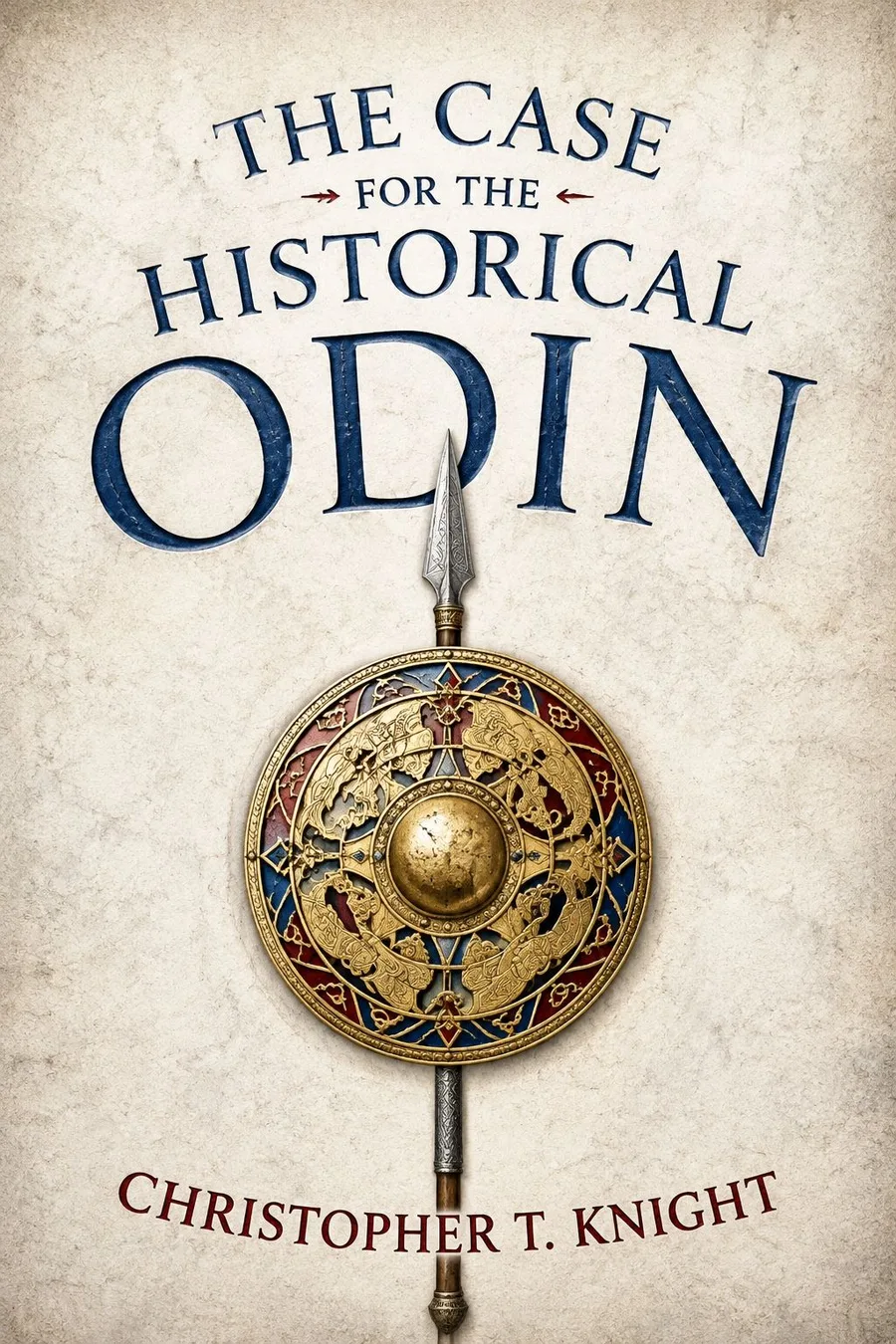
Christopher T. Knight
House Media LLC
A book-led investigation into myth, migration, and memory, following the record across historical texts, archaeology, linguistics, genetics, geography, and the traditions that carry memory forward.
Official briefings
Formal WodensMan research briefings and source-led documents, released for independent reading.
Briefing 01
What Medieval Scandinavian Genealogies Actually Say.
DOWNLOAD PDFBriefing 02
Dynasty, Deification, and Historical Memory in Early English Sources.
DOWNLOAD PDFBriefing 03
The Error, the Evidence, and the Eastern Question.
DOWNLOAD PDFBriefing 04
Migration, Genealogy, and Genetic Landscapes.
DOWNLOAD PDFBriefing 05
Why medieval royal pedigrees matter when read beside the genetic history of population movement into Scandinavia.
DOWNLOAD PDFBriefing 06
Supporting a Historical Layer Behind the Woden Tradition.
DOWNLOAD PDFLatest from the blog
Inside the Evidence Vault
The vault is designed for individual records: name, type, date or range, location, original wording or translation where supplied, source link, interpretation, and related material.
The public Library will hold only verified source records used in the investigation.
Open the vaultResearch ledger
A dated record of discoveries, corrections, and revised interpretations.
Research record
The ledger distinguishes discoveries, comparisons, corrections, and revised interpretations across the public record.
Open the Research LedgerFollow the investigation
Use the working enquiry form for book availability, research documents, or film updates.
Leave a noteThe investigation’s lenses
Historical texts
Archaeology
Epigraphy
Linguistics
Place-names
Population genetics
Royal genealogies
Comparative mythology