Research
Norse Religion, Reframed: Reading Odin’s World as Memory, Migration, and Power
 By Christopher T. Knight
Published
Norse religion often gets boxed into a simple “pagan myth” category, but that label hides more than it reveals. What if those old stories carry traces of real migration, memory, and power…
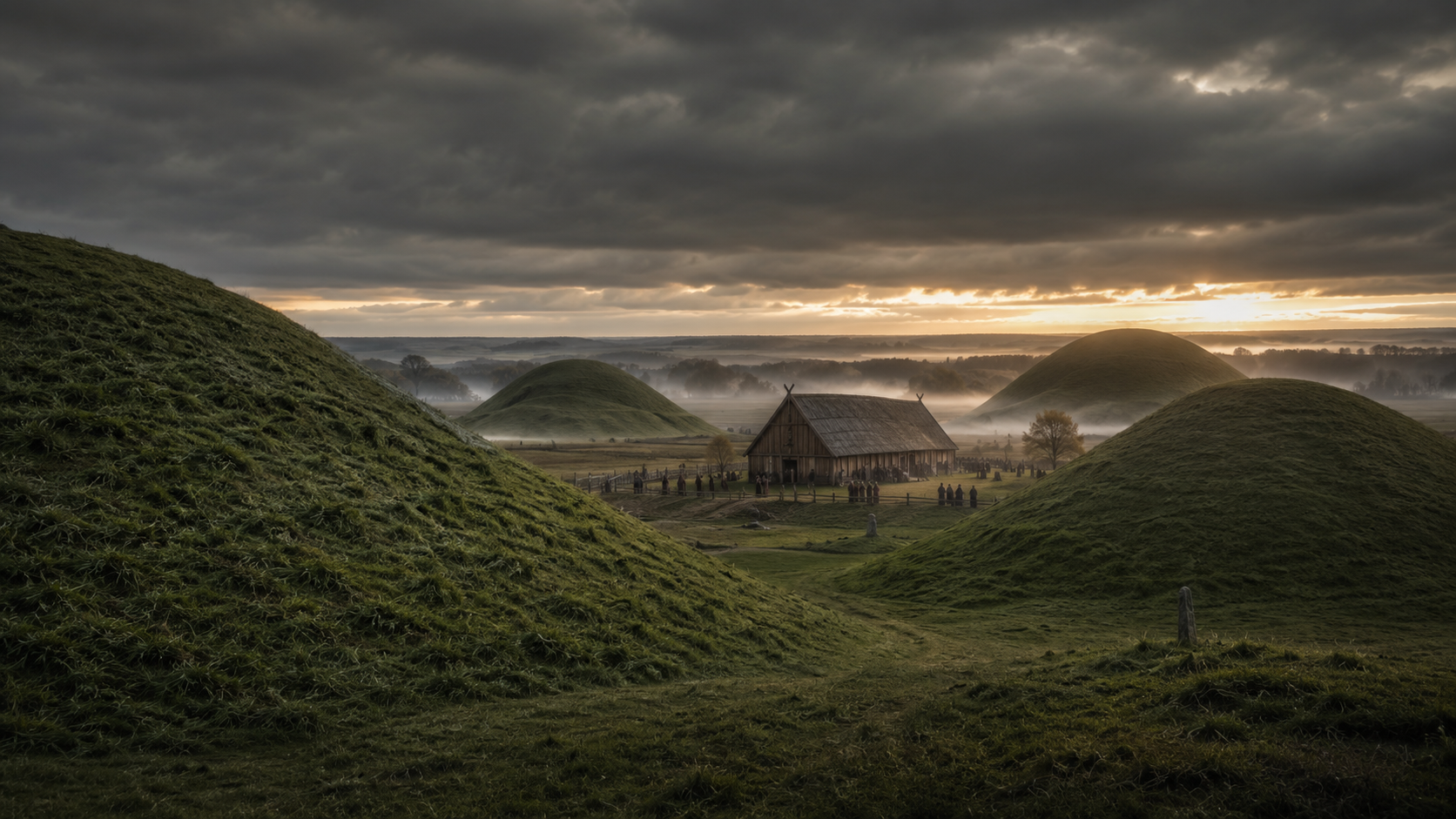
Norse religion often gets boxed into a simple “pagan myth” category, but that label hides more than it reveals. What if those old stories carry traces of real migration, memory, and power struggles—especially around Odin? By following medieval texts, genealogies, and ancient routes, you’ll see Norse religion as a living record, not just legend. This fresh look invites you to explore the Historical Odin with curious eyes and sharper questions.
Reframing Norse Religion
Beyond the Pagan Label
When you think of Norse religion, what comes to mind? Many people see it as a collection of myths. Yet, there’s more beneath the surface. These stories might hold pieces of real history, shaping our understanding of ancient societies.
A Historical Lens on Odin
Odin is central in Norse tales. But could he be more than a myth? By examining ancient texts and routes, we begin to see Odin as part of a larger historical puzzle. This lens allows us to view Norse religion as a record of the past.
Memory and Migration
Tracing Genealogies and Routes
The tales of Odin aren’t just stories; they might trace real paths. Genealogies and ancient routes connect the dots across Europe. As we explore these links, we see the movement of people and ideas over centuries. These connections suggest a deeper historical truth behind the myths.

From Asgard to the Roman Frontier
Asgard may sound mythical, but its stories echo through ancient history. Consider the Roman frontier: a meeting point of cultures and ideas. Such places might have inspired tales of gods and heroes. By following these traces, we uncover the layers of history hidden in Norse myths.
Power Dynamics and Cultural Memory
The Political Power of Odin
Odin’s tales aren’t just about magic and battles. They reflect real power dynamics. Leaders used stories of Odin to legitimize their rule. By understanding this, you see how myths served political purposes, influencing societies and their leaders.
Ancient DNA and Steppe Connections
DNA studies reveal surprising links between ancient peoples. These connections suggest a shared heritage across vast regions. The steppe connections, in particular, offer clues to Odin’s origins, revealing how stories and identities traveled and evolved over time.
Frequently Asked Questions
What is Norse religion?

Norse religion encompasses the beliefs and practices of the Norse people, including their myths and stories about gods like Odin. It offers insights into the cultural and historical context of ancient Scandinavia.
Who is Odin in Norse mythology?
Odin is one of the chief gods in Norse mythology, known for wisdom and war. He is a central figure with rich narratives that may also reflect historical events and movements.
Is there evidence of Odin’s historical existence?
While Odin is mainly known as a mythological figure, some researchers believe his stories may be rooted in historical events and migrations, as suggested by ancient texts and genealogies.
How do genealogies contribute to understanding Norse myths?
Genealogies help trace the movement of people and their stories, providing a historical context that can shed light on the origins and evolution of myths like those of Odin.
Why is cultural memory important in studying Norse religion?
Cultural memory preserves the beliefs and stories of a people, helping to understand how myths influence societies and how they adapt over time to reflect historical realities.
ABOUT THE AUTHOR
Christopher T. Knight
Independent researcher, creator of WodensMan and author of The Historical Odin: Myth or Memory?.