Warriors & raiding
Before the Longships: Why Sarmatian Raiding Sounds So Viking
 By Christopher T. Knight
Published
Mobile warriors. Foreign wealth. The danger of being caught with the spoils. Long before Viking fleets, Rome faced raiders whose priorities sound remarkably familiar.
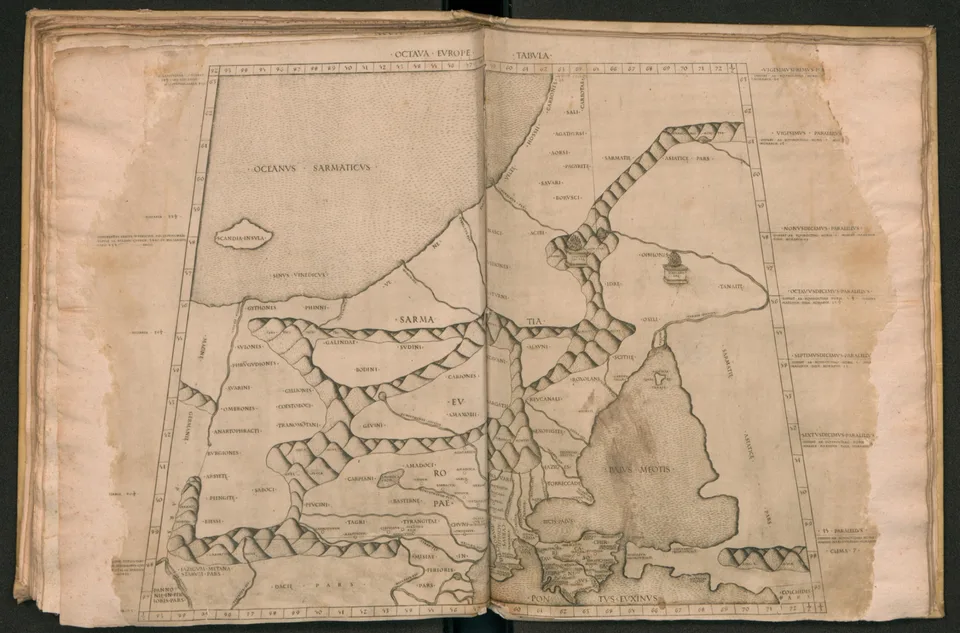
Read an account of mounted raiders descending on their neighbours, gathering booty and exploiting a distracted enemy, and the comparison comes almost immediately: that sounds Viking. The resemblance is real at the level of raiding behaviour. What makes it interesting is how far back the surviving evidence takes us.
A winter raid in AD 69
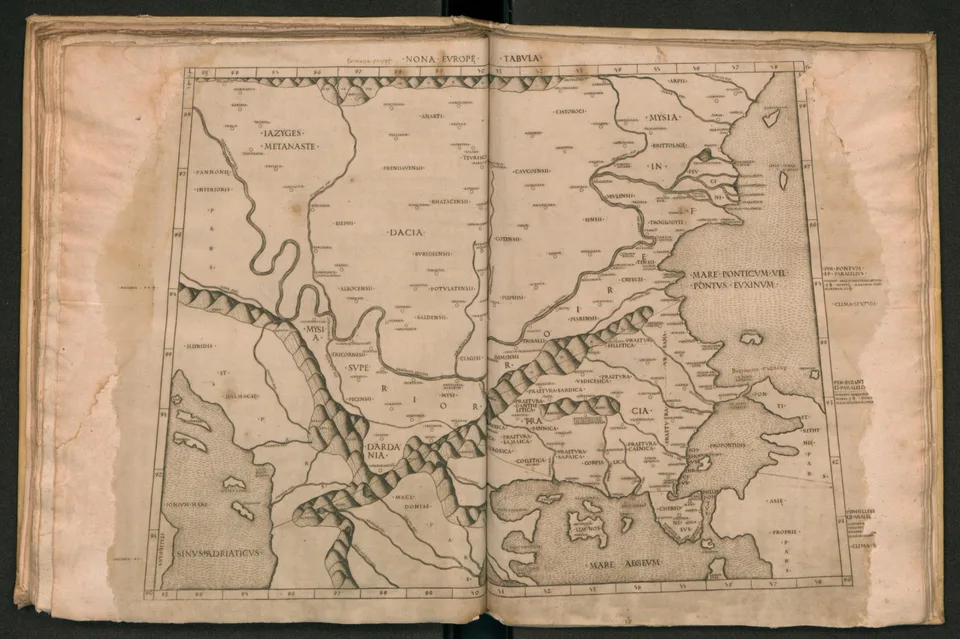
Tacitus describes the Roxolani, a Sarmatian people, invading Roman Moesia in AD 69. He gives their strength as 9,000 horsemen. With Rome absorbed in civil war, they concentrated on plunder. Roman troops caught them dispersed and burdened with loot. Rain, thawing snow and slippery ground undermined their mobility; the raid ended in defeat.1
That is a specific ancient account of a mounted force exploiting opportunity and becoming vulnerable through its own pursuit of wealth. Tacitus writes from the Roman side, and his hostile judgements should not be mistaken for a neutral description of an entire people.
Why the Viking comparison works
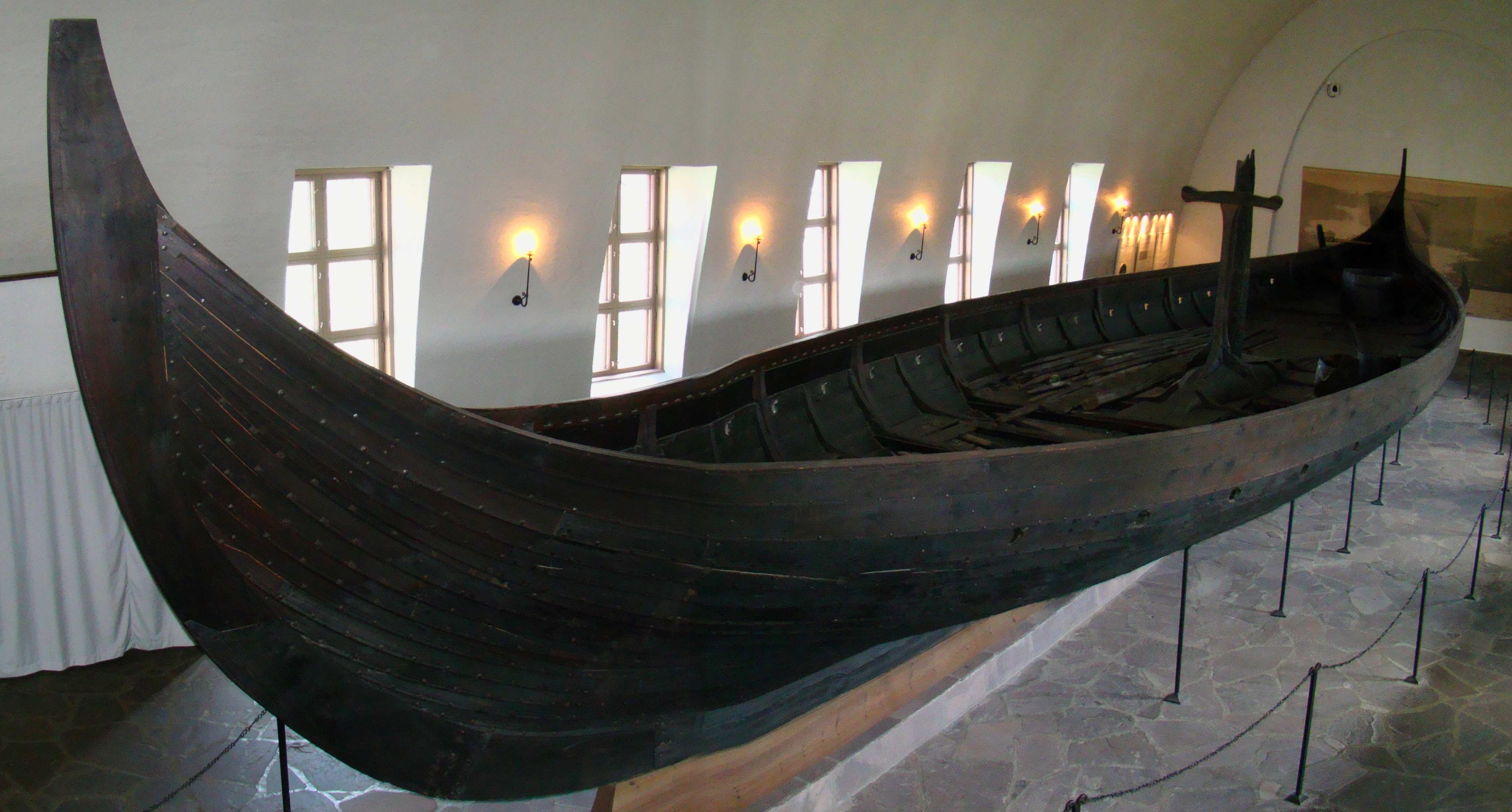
The National Museum of Denmark describes early Viking expeditions as small, fast raids intended to enrich their participants. Shallow-draught ships gave access to coasts and rivers. Later expeditions could become organised invasions, while Scandinavian forces also served foreign rulers for payment.2
The practical resemblance is clear: mobility creates opportunities to reach wealth and withdraw, while the enemy struggles to respond. Horses and ships supplied different means of movement. The comparison concerns what raiders could do with that advantage.
Viking tribute adds another dimension. Scandinavian forces could demand wealth in exchange for peace, although paying them offered no guarantee against further attacks.3 To a threatened community, buying time could be preferable to risking destruction. We should nevertheless distinguish this documented Viking practice from a claim that every Sarmatian raid followed the same pattern.
Warriors, wealth and reputation
Booty was tangible: portable valuables, animals and captives. Its wider significance is a question for comparison. What did a successful expedition do for a warrior’s standing? How did wealth circulate among followers and leaders? How did a reputation for violence influence negotiations?
Later Ossetian epic and ethnographic material provides a particularly interesting discussion of prestigious raiding expeditions called balts. Tamerlan Salbiev describes traditions in which bravery and communal ritual mattered, rather than simply private enrichment.4 That offers a comparative research lead. It does not supply a contemporary Sarmatian rulebook, and the popular claim that all Sarmatian youths undertook a prescribed winter raid goes beyond the passages cited here.
What the ancient authors actually say
In Annals 6.35, Tacitus describes Sarmatian fighters urging one another into close combat against Parthians, then attacking with spears and swords. This belongs to a particular battle, rather than a universal rejection of archery.5
Ammianus preserves the cry “Marha, marha” during the Limigantes’ attack on Constantius II in AD 359. He identifies it as their war cry. His passage does not itself give the often-repeated Ossetian translation “kill”.6 Keeping the event, the reported words and later linguistic interpretation distinct makes the comparison stronger.
A wider history of raiding
The Vikings belong within a much longer history of mobile forces seeking wealth beyond their own communities. Their ships gave that activity a distinctive geographical reach. The Sarmatian example shows an earlier mounted version of some comparable opportunities and dangers.
Similarity alone cannot establish descent or the transmission of an institution. It can give us a better question: how did different societies turn mobility, fighting ability and foreign wealth into power? That is where this comparison becomes more revealing than a familiar image of a raider on a longship.
Explore more historical background and project updates at WodensMan, home of The Historical Odin: Myth or Memory?.
Sources & reading
- Tacitus, Histories 1.79, downloadable W. Hamilton Fyfe edition (1912). Ancient narrative of the AD 69 raid.
- National Museum of Denmark, “Viking expeditions.”
- Marie Bønløkke Spejlborg, “Danegæld – vikingernes opkrævninger af tribut,” Danmarkshistorien / Lex. In Danish.
- Tamerlan Salbiev, comments dated 7 June 2020 on “Know your Narts: cattle rearing and cattle raiding,” Language Log. A specialist discussion of later traditions, not contemporary Sarmatian testimony.
- Tacitus, Annals 6.35, downloadable A. J. Church and W. J. Brodribb translation (1876), Book VI.
- Ammianus Marcellinus, Res Gestae 19.11.10, downloadable C. D. Yonge edition (1894).
ABOUT THE AUTHOR
Christopher T. Knight
Independent researcher, creator of WodensMan and author of The Historical Odin: Myth or Memory?.